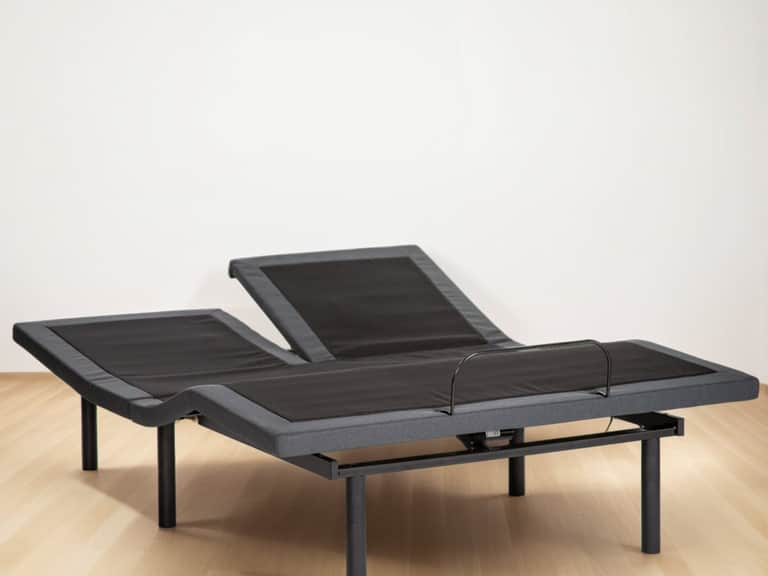
Adjustable Base
Enjoy personalized comfort with independent head and foot adjustments, a wireless remote, and easy drop-in compatibility—no frame worries, just seamless support and a better night’s sleep.
An editorial, non-commercial deep-dive into selecting organic mattresses within the United Kingdom. We explore core materials, trusted certifications, comfort considerations, and a discerning, bias-free approach to comparing options from respected brands such as Naturepedic and Vispring—without the loud logos or pressure-filled pitches.
In the Vogue spirit of elevated living, the mattress is not merely a product but a foundation of daily rituals. The right organic mattress blends science, craft, and quiet luxury to cradle you in a serene, sustainable habitat. This guide unfolds across materials, certifications, comfort psychology, and a practical buyer’s checklist—tailored to the UK market and sensibilities.
The term organic in the mattress world conveys more than a marketing gloss. It signals attention to the entire supply chain—from the farm to the factory floor, and finally to the bed you sleep on. In the UK, discerning shoppers look for certifications that attest to responsible farming, transparent manufacturing practices, and the absence of harmful chemicals in the materials that touch the skin every night.
At its core, an organic mattress typically features:
The idea is simple: less exposure to artificial chemicals, improved breathability, and materials that behave well with your body heat and movement through the night. The reality, of course, varies by brand, region, and the specific blend of foams, springs, and textiles used.
“Organic” does not equate to a single material. It is an assurance of the journey—farming, processing, and manufacturing—aligned with environmental and health-conscious practices.
The best organic mattresses in the UK commonly feature three architectural layers: the comfort layer, the core support system, and the organic cover. While each brand will have its own signature recipe, the guiding principles stay consistent: natural, breathable materials that support healthy sleep by aligning spinal posture, temperature regulation, and pressure distribution.
Organic cotton and wool blends are favored for their natural breathability and temperature regulation. A smooth, soft-to-the-touch cover reduces friction against the skin while maintaining a flattering aesthetic for the bedroom—an essential in a space where calm, understated luxury is prized.
Natural latex is a common choice for the comfort layer due to its resilience, buoyancy, and open-cell structure that fosters airflow. Other natural foams or highly curated blends may be used, but the focus remains on materials that resist overheating and offer lasting comfort without the chemical additives sometimes found in synthetic foams.
Organic mattresses may utilize pocketed springs, latex individual coils, or hybrid configurations that combine springs with natural foams. The goal is to deliver balanced support—support for the lumbar spine, even weight distribution, and minimal motion transfer for couples sharing a bed.
Certifications act as the passport that escorts a mattress from factory to your bedroom with accountability. In the UK and Europe, there are several credible marks that buyers should understand:
When assessing a mattress, seek explicit mention of these certifications, clear documentation, and a transparent supply chain. A brand that can point you toward test reports, third-party audits, and independent lab results earns credibility beyond glossy advertising.
Comfort is deeply subjective, yet certain principles help translate “soft and supportive” into measurable terms. Consider the following approaches to evaluate comfort in a calculated, Vogue-approved manner:
Two brands often cited by sleep connoisseurs for their commitment to organic and natural materials are Naturepedic and Vispring. Naturepedic traditionally emphasizes plant-based or natural constructions with a focus on chemical-free materials. Vispring, on the other hand, is renowned for its handcrafted spring systems and luxurious finishes, frequently incorporating natural materials across its layers.
When comparing these brands in the UK, consider these dimensions:
In the hush of your bedroom, a mattress is more than a surface; it is the stage upon which your nightly rituals unfold. The right organic mattress invites calm, a sense of responsibility to the planet, and a whisper of luxury in a world that rarely slows down. The moment you lie down, the world narrows to the quiet beating of your heart, your breath, and the soft fall of a duvet that knows no drama—only comfort, breath, and rest.
Featured Product: Adjustable Base by Casper
A versatile upgrade for every organic mattress pairing, adding head and foot adjustments for personalized comfort. Wireless remote, compatibility with various bed frames, and options that suit couples sharing a bed.
Price: $1,145.00
Across time periods, certain voices have shaped how we understand the sanctuary of sleep. Here are three key individuals whose perspectives echo the ethos of this guide:
Twinbed.uk frames an editorial space where sleep science meets interior design, with a distinctly UK emphasis. We value evidence-based information, transparent sourcing, and practical guidance. The content refuses to lean into aggressive marketing language; instead, it invites readers to become educated, confident shoppers who demand quality, accountability, and kindness to the planet.
For ease of reference, here is a compact map to keep at hand when you begin your search:
If you would like, I can expand this piece into a detailed category map for Twinbed.uk, including a 90-day content calendar, an in-depth product comparison framework (Naturepedic vs. Vispring), and regional UK guides to fit different living spaces and tenancy situations.